C’est ce que l’un des personnages dit à un autre. Pas si simple. Être drôle sur commande, c’est à peu près aussi facile que d’éternuer à la demande. Et le rire ne se déclenche pas non plus comme une bande sonore de franche rigolade. C’est un réflexe déclenché par une incongruité, par un trop-plein, par un besoin de modifier la donne.
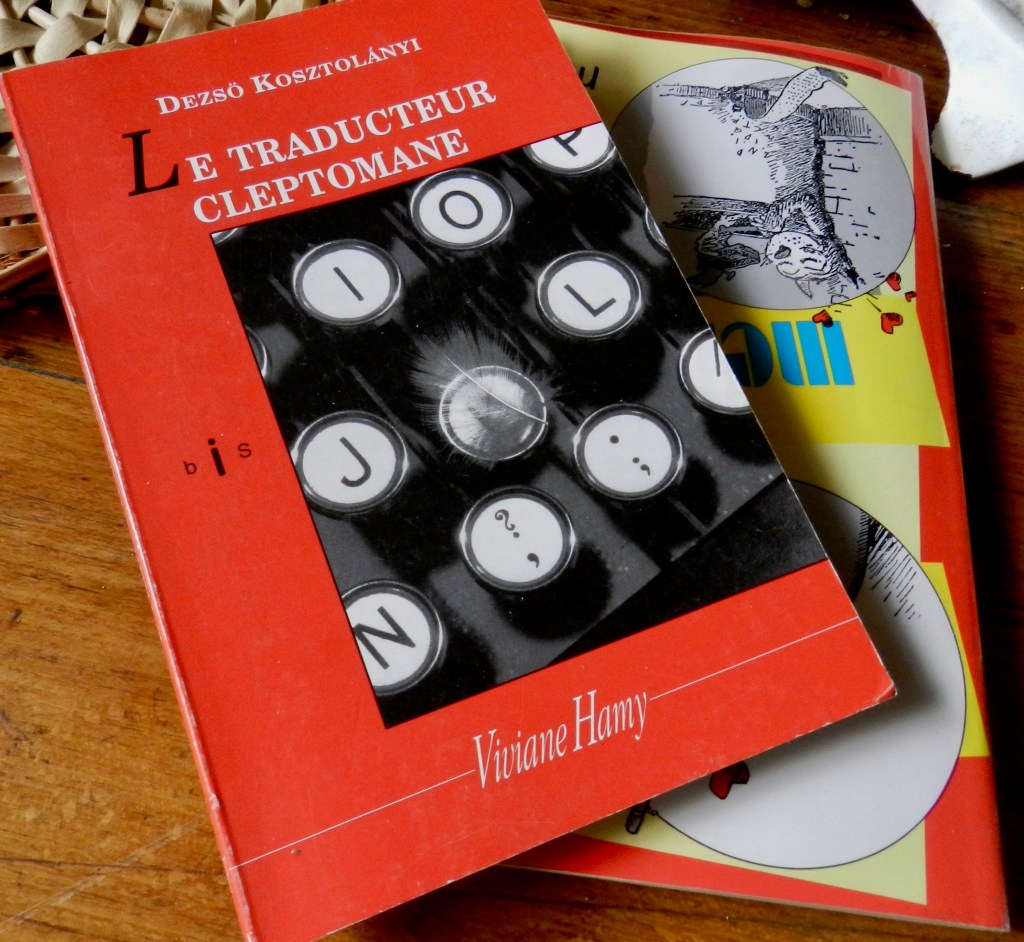
L’un des exemples de ce genre de phénomène est illustré dans la nouvelle “Misère” de Dezsö Kosztolanyi et sa maison d’édition cite d’ailleurs ce passage en guise d’illustration d’un certain type de rire (car, en plus, il en existe de toutes sortes) :
« Les frères Goncourt, dans leur Journal, parlent d’une femme qui, au cours d’un voyage en diligence, raconte à l’une de ses amies, qu’elle n’a pas vue depuis longtemps, l’histoire poignante de sa famille. Son père avait été abattu à coups de fusil, sa mère s’était noyée, son mari était mort dans un incendie, il ne lui était resté qu’un enfant, qui vivait en Egypte, et dernièrement, cet enfant se baignait dans le Nil, comme tant d’autres fois, tout enjoué et sans méfiance, quand un crocodile a nagé vers lui. Mais la femme n’a pas pu aller plus loin dans son récit. Les passagers, qui jusqu’alors l’avaient écoutée avec une profonde commisération, n’ont pas pu attendre la fin, pas pu attendre que le crocodile ouvre sa gueule horrible et happe l’enfant, et, bien que ce qu’ils entendaient était vrai, ils ont d’un coup tous éclaté d’un rire tonitruant. Mais oui, mes amis. Il y a une limite à tout. Et trop, c’est trop.”*
Conseil fort sage lorsqu’on s’adonne à avoir des personnages lestés de solides bagages de soucis.
*Dezsö Kosztolanyi, Le traducteur cleptomane, Viviane Hamy, 1994.
*
This is what one character asks another. Not so simple. Being funny on command is about as easy as sneezing on demand. Laughter can’t be set off like a soundtrack of loud guffaws. it’s a reflex triggered by incongruity, by an overload, by a need to change the setting.
One example of this type of phenomenon occurs in the short story “Misery” by Dezso Kosztolanyi and his publishing house includes the quote on its website as an illustration of a certain type of laughter (because, it also happens to come in many varieties). In my translation:
“In their Journal, the Goncourt brothers speak of a woman who, during a trip in a stagecoach, told a friend whom she had not seen in a long time, the heartbreaking story of her family. Her father had been felled by gunfire, her mother had drowned, her husband had died in a fire, and she had only one child remaining, who lived in Egypt. Recently, this child was bathing in the Nile, as he often did, all playful and unsuspecting, when a crocodile swam toward him. But the woman could go no further in her tale. The passengers who had been listening to her in deep commiseration up to that point, could not wait to the end, could not wait for the crocodile to open his horrid jaws and snatch the child, and although they knew what they were hearing to be true, they suddenly all burst into loud bursts of laughter. Yes, my friends, there are limits to everything. And too much is too much.”
Wise counsel, if one happens to have characters heavily burdened with woes.
 iknowiknowiknowblog